

What Is Celebrate Recovery
Celebrate Recovery is a Christian faith based recovery program designed to help people address hurts, habits, and hang ups.The program was developed by John Baker with support from Rick Warren at Saddleback Church and has become widely associated with church based recovery communities.The central idea is that recovery involves more than simply stopping a particular behavior. Participants are encouraged to examine the experiences, beliefs, relationships, and behaviors that may have contributed to unhealthy patterns while developing a stronger relationship with God and a supportive community.
Celebrate Recovery is commonly associated with issues such as substance misuse, compulsive behaviors, anger, codependency, grief, relationship difficulties, eating related struggles, and other patterns that can negatively affect a persons life. Individual groups can differ in the specific issues they address.
Latest Update on Celebrate Recovery
Celebrate Recovery continues to operate through churches and Christian communities in different locations. The structure of meetings can vary depending on the host church, available leaders, and local group needs. People interested in attending should therefore check the current information provided by their local church or Celebrate Recovery group. Meeting schedules, locations, age requirements, and available groups can change. It is also important to understand that recovery resources are not necessarily interchangeable. A faith based support group may provide community and spiritual encouragement, while medical, psychological, or addiction treatment services may provide clinical care.
Who Is Celebrate Recovery For
Celebrate Recovery is intended for people who want to address personal struggles through a Christian recovery framework. Its broad language around hurts, habits and hang ups allows individual groups to support people dealing with different challenges. Someone might attend because of substance related problems, unhealthy relationships, anger, grief, compulsive behavior, shame, or another recurring issue. The exact focus can depend on the local group. The program can also be relevant to people who do not identify with one specific diagnosis. Recovery is often a longer process involving emotional, behavioral, relational, and spiritual changes.
Why Is Celebrate Recovery Popular
One reason Celebrate Recovery has remained popular is its emphasis on community. Recovery can feel isolating, and having a structured group where participants can listen, share experiences, and receive encouragement may help people feel less alone. The Christian foundation is another important part of the program. Participants who want faith to be part of their recovery may appreciate an approach that combines spiritual reflection with practical recovery principles. At the same time, the program is not necessarily the right fit for every person. People have different beliefs, recovery goals, cultural backgrounds, and clinical needs, so finding a support environment that feels appropriate matters.
How Celebrate Recovery Works
Celebrate Recovery generally combines large group gatherings with smaller recovery groups. The exact format depends on the local church, but meetings commonly provide time for teaching, personal reflection, testimony, and community support. The program emphasizes acknowledging problems rather than hiding them. Participants are encouraged to become honest about behaviors and patterns that have caused harm and to take responsibility for their own choices. Recovery is presented as an ongoing process rather than a single event. That means participants may continue working through different areas of their lives over time.
The Recovery Principles
Celebrate Recovery is commonly organized around a set of principles based on the Beatitudes and Christian teachings. These principles address themes such as admitting personal limitations, believing in Gods help, examining ones life, acknowledging wrongdoing, seeking change, and repairing relationships where appropriate. The principles provide a structured framework for reflection. Instead of approaching recovery as an undefined goal, participants can work through specific areas of personal growth. This structure can also help people recognize that recovery includes both internal and external change. Developing healthier thinking is important, but so are changes in behavior, relationships, accountability, and daily routines.
The Role of Faith and Spiritual Growth
Faith is a central element of Celebrate Recovery. The program encourages participants to place their relationship with God at the center of the recovery process. For people who want a Christian approach, this can provide a meaningful framework for understanding forgiveness, personal responsibility, hope, and transformation. Spiritual growth does not necessarily replace other forms of recovery support. Someone dealing with a serious substance use disorder, mental health condition, withdrawal risk, or another medical concern may need professional assessment and treatment alongside spiritual and community support.
What Happens at a Celebrate Recovery Meeting
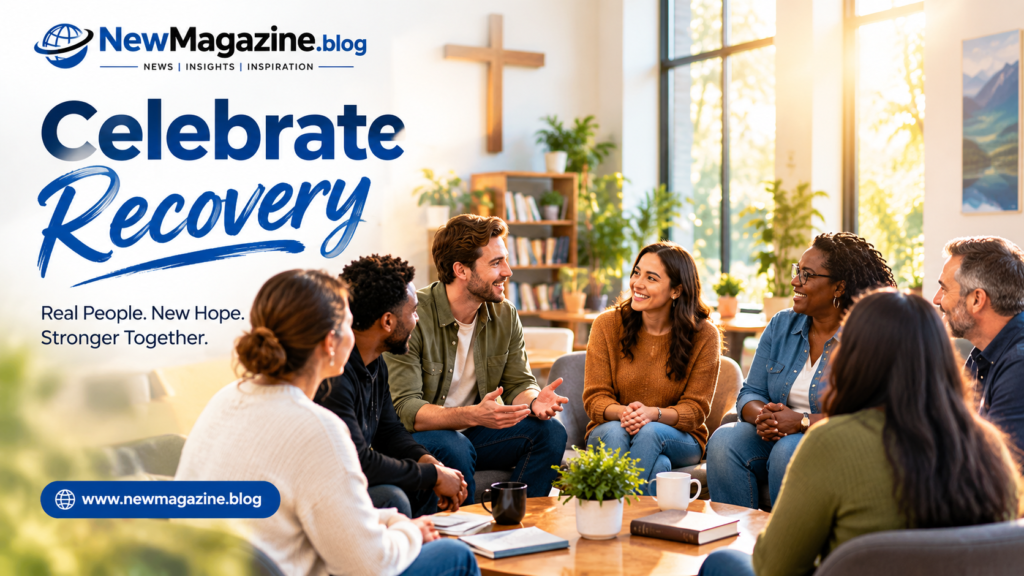
A typical Celebrate Recovery meeting may begin with a large group session. This can include worship, teaching, personal testimony, or a discussion related to recovery. The meeting may then include smaller groups where participants can discuss experiences in a more focused environment. Group rules generally emphasize confidentiality, respect, and avoiding judgment. The exact schedule differs between locations. Some churches may offer meals, fellowship activities, childrens programs, or additional study sessions.
Small Groups and Community Support
Small groups are an important part of the recovery experience because they can create a more personal environment than a large gathering. Participants may have opportunities to listen to others who have faced similar challenges. Healthy boundaries are important in any support group. Sharing personal information should be voluntary, and participants should never feel pressured to reveal experiences they are not ready to discuss. Confidentiality is also important, although participants should understand that group confidentiality practices are not necessarily equivalent to the privacy protections available in a licensed clinical setting.
Celebrate Recovery and Professional Treatment
Celebrate Recovery can function as a source of spiritual and peer support, but it should not automatically be considered a replacement for professional medical or mental health care. People experiencing severe substance dependence may require medically supervised treatment, particularly when withdrawal can create serious health risks. Professional therapists, physicians, addiction specialists, and other qualified providers can assess individual needs. A person can participate in faith based recovery while also receiving professional care. In many situations, combining appropriate clinical treatment with supportive relationships can provide a broader recovery network.
Celebrate Recovery for Families
Recovery affects more than the person experiencing a particular struggle. Family members can experience stress, confusion, fear, anger, or exhaustion when someone close to them is dealing with addiction or another destructive pattern. Faith based recovery communities may provide families with a place to find encouragement and discuss healthy boundaries. However, family members also need to protect their own wellbeing. Supporting someone does not mean accepting unsafe behavior or taking responsibility for another persons recovery.
Benefits of a Recovery Community
A supportive recovery community can reduce isolation and create opportunities for accountability. Participants may discover that other people have faced similar struggles, which can make difficult experiences feel less unusual or shameful. Community can also provide practical encouragement. Someone working toward healthier habits may benefit from people who understand why consistency, boundaries, and personal responsibility matter. The quality of the experience depends heavily on the local group and its leadership. A respectful, well organized environment can make participation more comfortable.
Things to Consider Before Joining
People considering Celebrate Recovery should first understand the programs Christian foundation.Those looking for a secular recovery model may prefer a different support group. It is also useful to ask what issues the local group addresses, whether separate groups are available, how confidentiality is handled, and whether the group recommends professional services when needed. People should feel free to attend an introductory meeting and decide whether the environment fits their needs. Recovery is personal, and there is no single support model that works identically for everyone.
How to Find a Celebrate Recovery Meeting
The easiest approach is to search for Celebrate Recovery through local churches and community organizations. Many participating churches publish meeting schedules, addresses, contact details, and information about specific groups. When searching online, use terms such as Celebrate Recovery near me, Celebrate Recovery meetings, Celebrate Recovery church, or Celebrate Recovery support group. Before attending, confirm the meeting time because church schedules can change. It is also useful to check whether the group is currently meeting and whether the desired recovery topic is offered.
How to Prepare for Your First Meeting
A first meeting can feel intimidating, particularly if someone is unfamiliar with group recovery. Remember that attending does not require sharing every personal detail immediately. You can start by listening and learning how the group works. Ask questions about the meeting structure, confidentiality, small groups, and available resources. It may also help to identify one goal for attending.That goal could simply be understanding the program, meeting supportive people, learning about recovery resources, or deciding whether to return.
Celebrate Recovery and Personal Growth
Recovery is often about building a healthier life rather than simply eliminating one behavior. That can involve learning to communicate more effectively, establishing boundaries, processing difficult experiences, and developing healthier routines. Celebrate Recovery structured approach encourages participants to examine these areas gradually. The process can involve honesty, accountability, forgiveness, and an ongoing commitment to change. Progress is rarely perfectly linear. Difficult days do not necessarily erase progress, and setbacks can be opportunities to identify areas that require additional support.
Stay Connect With Us:
Conclusion
Celebrate Recovery provides a structured Christian approach to personal recovery built around faith, honesty, community, accountability, and personal growth. Its broad focus on hurts, habits, and hang ups allows local groups to address many different struggles. For someone considering the program, understanding what it offers is an important first step. A supportive community can provide encouragement and connection, while professional treatment may be necessary for medical, psychological, or addiction related needs.The most useful recovery path is one that fits the individuals circumstances, values, safety needs, and support requirements. Celebrate Recovery can be one part of that wider journey for people who want a Christian framework for recovery.
Frequently Asked Questions About Celebrate Recovery
What does Celebrate Recovery mean?
Celebrate Recovery refers to a Christian faith based recovery program focused on addressing hurts, habits, and hang ups. It combines spiritual principles, personal reflection, group support, and accountability.
Is Celebrate Recovery only for addiction?
No. Celebrate Recovery is broader than substance addiction alone. Local groups may address issues involving relationships, anger, grief, codependency, compulsive behaviors, emotional struggles, and other unhealthy patterns.
Is Celebrate Recovery Christian?
Yes. Christianity and a relationship with God are central elements of the Celebrate Recovery approach. People considering the program should understand its faith based foundation before attending, particularly if they are looking for a secular recovery environment.
Can someone attend Celebrate Recovery without sharing personal information?
People generally do not have to reveal everything about themselves at their first meeting. Participants can usually begin by listening and becoming familiar with the group.
Is Celebrate Recovery a substitute for therapy?
Celebrate Recovery is a faith based peer support program and should not automatically be treated as a replacement for professional therapy or medical treatment.
Can families participate in Celebrate Recovery?
Many Celebrate Recovery communities provide support that can be relevant to family members as well as people dealing directly with a particular struggle.
How can I find Celebrate Recovery near me?
Search for local churches that host Celebrate Recovery and verify their current meeting schedule before attending. Search phrases such as Celebrate Recovery near me, Celebrate Recovery meetings near me, and Christian recovery groups can help identify potential options.
What should I expect at my first Celebrate Recovery meeting?
You can generally expect a welcoming group environment, an opening session, recovery focused teaching or testimony, and opportunities for fellowship or smaller discussion groups.