
A Fresh Markets
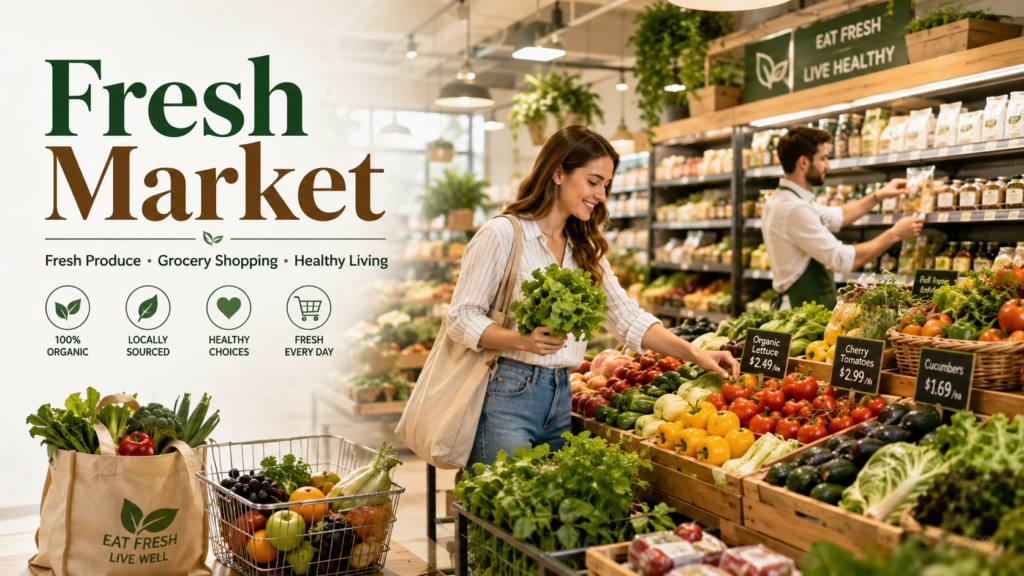
A fresh market represents one of the most important connections between producers, sellers, and consumers in the modern food economy. These marketplaces provide access to fresh fruits, vegetables, meats, seafood, dairy products, grains, organic foods, and locally produced goods while creating a direct relationship between communities and food suppliers. Unlike traditional supermarkets that often rely on long distribution chains, fresh markets focus on quality, freshness, seasonal availability, and personal interaction between buyers and sellers.
The growing popularity of the fresh market concept reflects a worldwide shift toward healthier lifestyles, sustainable consumption, and greater awareness about where food comes from. Consumers today are not only searching for affordable products but also looking for transparency, better nutrition, and environmentally responsible choices. From farmers markets in small towns to large urban food hubs, these marketplaces have become important destinations for people who value quality ingredients and authentic shopping experiences.
Understanding the Concept of a Fresh Market
A fresh market is a marketplace where consumers can purchase recently harvested, locally sourced, or minimally processed products directly from vendors, farmers, fishermen, and food producers. These markets usually emphasize freshness, natural quality, and variety rather than focusing only on packaged products. They often include colorful displays of seasonal produce, handmade foods, specialty products, and regional items that reflect local culture and farming traditions.
The basic idea behind a fresh market is creating a shorter journey between food production and consumption. When products travel fewer miles before reaching customers, they often maintain better flavor, texture, and nutritional value. This approach also allows consumers to communicate directly with sellers, ask questions about farming methods, understand product origins, and make more informed purchasing decisions based on personal preferences and values.
Fresh markets can appear in many different forms depending on location and community needs. Some operate outdoors in public spaces, while others exist as permanent indoor marketplaces with dedicated shops and food stalls. Modern versions may also include online ordering platforms, delivery services, and digital marketplaces that connect customers with local producers while maintaining the core principles of freshness and quality.
The Importance of Fresh Markets in Modern Communities
Fresh markets play an important role in strengthening local communities by supporting small farmers, independent businesses, and regional food producers. When consumers purchase directly from local vendors, more money remains within the community, helping create economic opportunities and encouraging sustainable agricultural practices. These markets often become social gathering places where people meet, exchange knowledge, and build stronger relationships with local food providers.
Beyond economic benefits, fresh markets contribute to healthier communities by making nutritious foods more accessible. A wide selection of fresh fruits, vegetables, herbs, and minimally processed foods encourages people to adopt balanced eating habits. Many health experts recommend increasing the consumption of natural foods, and fresh markets make it easier for families to discover high quality ingredients that support better nutrition.
Another important contribution of these markets is preserving local food traditions. Many regions have unique crops, recipes, and production methods that may disappear without community support. Fresh markets provide a platform for traditional farmers, artisans, and food creators to share their products with new generations while maintaining cultural connections through food.
How Fresh Markets Differ From Traditional Supermarkets
The main difference between a fresh market and a traditional supermarket is the relationship between producers and consumers. Supermarkets typically operate through complex supply chains involving multiple distributors, warehouses, and transportation networks. While supermarkets provide convenience and product variety, the distance between the producer and buyer can sometimes make it difficult to understand where products originate or how they are produced.
A fresh market usually offers a more personal shopping experience. Customers can interact directly with farmers, vendors, and specialists who have detailed knowledge about their products. A shopper buying vegetables may learn when they were harvested, how they were grown, and the best methods for preparing them. This level of interaction creates trust and helps consumers feel more connected to their food choices.
Fresh markets also tend to highlight seasonal products rather than offering identical selections throughout the year. Seasonal availability encourages people to enjoy foods at their natural peak quality while supporting agricultural cycles. Although supermarkets provide convenience through constant availability, fresh markets focus more on authenticity, freshness, and local character.
Benefits of Shopping at a Fresh Market
One of the biggest advantages of shopping at a fresh market is access to higher quality products. Fruits and vegetables available through local vendors are often harvested closer to their selling date, allowing them to maintain stronger flavors and better textures. Customers can usually choose from a wide range of seasonal produce that reflects what is naturally available in the region during different times of the year.
Another benefit is the opportunity to support sustainable farming and responsible production methods. Many small scale farmers use practices that protect soil health, reduce excessive packaging, and encourage biodiversity. By purchasing directly from these producers, consumers contribute to agricultural systems that prioritize environmental balance and long term sustainability.
Fresh markets can also provide financial advantages for both buyers and sellers. Consumers may find competitive prices because products often move through fewer intermediaries, reducing additional costs. At the same time, farmers and producers can receive fairer compensation because they sell directly to customers instead of depending entirely on large distribution networks.
The Role of Fresh Markets in Healthy Eating
Healthy eating has become a major priority for millions of people, and fresh markets support this movement by providing easy access to natural and nutrient rich foods. Many shoppers visit these markets specifically because they want to reduce their dependence on heavily processed foods and increase their intake of fresh ingredients. The availability of colorful vegetables, fruits, nuts, grains, and natural products makes healthy meal planning more enjoyable.
Nutrition awareness has also changed the way people think about food purchasing. Modern consumers increasingly want to understand ingredients, farming methods, and preparation techniques. Vendors at fresh markets often provide valuable information about their products, helping customers make better decisions. This educational aspect separates fresh markets from many conventional shopping environments where personal guidance may not be available.
Families especially benefit from regular visits to fresh markets because these spaces can introduce children to different types of foods and encourage curiosity about nutrition. Learning where food comes from and meeting the people who produce it can create lifelong healthy habits and a deeper appreciation for quality ingredients.
The Growth of Fresh Markets in Urban Areas
Urban growth has created new opportunities for fresh markets as city residents search for convenient ways to access high quality food. Many large cities now feature weekly farmers markets, community food centers, and specialized fresh food districts. These spaces bring agricultural products closer to urban consumers who may not have direct access to farms or rural production areas.
The expansion of urban local farmers market also reflects changing consumer expectations. People living in cities increasingly value experiences that combine shopping, social interaction, and lifestyle choices. A modern fresh market is not only a place to buy food but also a destination where people explore new flavors, discover local businesses, and participate in community activities.
Technology has further accelerated the growth of urban fresh markets. Online platforms now allow customers to browse local products, place orders, and receive deliveries while still supporting nearby producers. This combination of traditional marketplace values with digital convenience has helped fresh markets remain relevant in an increasingly connected world.
The Relationship Between Fresh Markets and Sustainable Food Systems
Sustainability has become one of the most important topics in the global food industry, and fresh markets contribute significantly to creating more responsible food systems. These marketplaces often encourage shorter supply chains, which means products travel shorter distances before reaching consumers. Reduced transportation requirements can lower environmental impacts while helping maintain product freshness and quality. This approach supports a more balanced relationship between agriculture, business, and environmental protection.
Many local farmers market vendors focus on environmentally friendly practices such as responsible farming, reduced chemical usage, seasonal production, and limited packaging. These methods help protect natural resources while responding to the increasing demand for sustainable products. Consumers who shop at these markets often feel that their purchasing decisions directly support farming methods that respect land, water, and ecosystems.
The connection between fresh markets and sustainability also extends to reducing food waste. Because many products are sold directly by producers, vendors can better understand customer demand and manage inventory more effectively. Seasonal products are usually sold closer to harvest time, reducing the likelihood of long storage periods and unnecessary waste. This creates a more efficient food cycle where producers and consumers benefit together.
Fresh Markets and the Support of Local Farmers
Local farmers are among the greatest beneficiaries of fresh market systems because these marketplaces provide opportunities to sell products directly to customers. In traditional agricultural supply chains, farmers may receive only a small portion of the final selling price because multiple intermediaries are involved. Fresh markets allow producers to build direct relationships with buyers and receive more value from their hard work.
For small scale farmers,local farmers market can provide an important platform to introduce unique products that may not receive attention in large retail environments. Specialty vegetables, handmade goods, organic produce, regional fruits, and traditional food items can find dedicated customers who appreciate authenticity. This diversity makes fresh markets more interesting and valuable compared with standardized shopping experiences.
Supporting local farmers through grocery store purchases also helps preserve agricultural communities. When farming becomes economically sustainable, younger generations may be more interested in continuing family agricultural traditions. This creates stronger rural economies and protects valuable knowledge about farming methods, crop varieties, and regional food practices.
The Experience of Shopping at a Fresh Market
Shopping at a grocery store offers a unique experience that goes beyond simply purchasing food. Unlike conventional stores where customers often move quickly through organized aisles, fresh markets encourage exploration and interaction. Visitors can observe colorful displays, smell fresh herbs and baked goods, communicate with sellers, and discover products they may not normally purchase.
The atmosphere of a fresh market often creates a stronger emotional connection between people and food. Customers can see the effort behind production, meet the individuals responsible for growing or creating products, and develop appreciation for the journey from farm to table. This personal experience transforms food shopping from a routine activity into an educational and enjoyable community experience.
Many grocery store also become cultural attractions because they reflect the identity of a particular region. Local foods, traditional recipes, seasonal celebrations, and community events often become part of the marketplace environment. Visitors can experience local culture through flavors, ingredients, and conversations, making fresh markets valuable beyond their commercial purpose.
Technology and the Evolution of Fresh Markets
Although fresh markets are traditionally associated with physical locations, technology has transformed how these marketplaces operate. Digital platforms, mobile applications, and online ordering systems now allow customers to connect with local vendors without visiting a physical market. This combination of traditional values and modern technology has expanded access to fresh products.
Online fresh market platforms help customers discover local producers, compare available products, and schedule deliveries according to their needs. This convenience is particularly valuable for busy professionals, elderly customers, and people who may have limited transportation options. Digital solutions allow grocery store businesses to reach larger audiences while maintaining direct connections with consumers.
Technology has also improved transparency within food systems. Some modern platforms provide information about product origins, farming practices, harvest dates, and production methods. This level of information helps consumers make confident decisions and increases trust between buyers and sellers. As digital tools continue developing, fresh markets are likely to combine traditional community values with advanced shopping solutions.
The Economic Impact of Fresh Markets
Fresh markets contribute significantly to local and regional economies by creating opportunities for entrepreneurs, farmers, food artisans, and small businesses. These marketplaces often provide low cost entry points for individuals who want to start food related businesses without investing in large retail infrastructure. A small producer can test products, build customer relationships, and grow gradually through market participation.
The economic influence of grocery store extends beyond individual sellers. Visitors who attend these markets often spend money at nearby restaurants, cafes, shops, and local businesses. This creates a positive economic cycle where one marketplace supports multiple sectors within a community. Cities and towns that invest in strong fresh market systems often experience increased commercial activity and stronger local business networks.
Fresh markets also encourage entrepreneurship by creating opportunities for innovation. Vendors may introduce unique products, develop creative packaging, experiment with new recipes, or create specialized food brands. This entrepreneurial environment helps communities develop diverse economies while giving consumers more choices.
Fresh Markets and Changing Consumer Preferences
Consumer behavior has changed significantly in recent years, with many people becoming more interested in quality, transparency, and sustainability. Shoppers are no longer focused only on price they increasingly consider factors such as product origin, nutritional value, environmental impact, and ethical production. These changing preferences have contributed to the growing popularity of fresh markets.
Younger generations especially show strong interest in experiences and values connected to food purchasing. Many consumers want to support businesses that align with their beliefs, including local producers and environmentally responsible companies. Fresh markets naturally match these preferences by offering authentic products and direct relationships with sellers.
The demand for healthier lifestyles has also influenced shopping habits. People are searching for alternatives to highly processed foods and looking for fresh ingredients that support home cooking. A fresh food market provides an environment where customers can explore natural products and build stronger connections with healthy eating patterns.
Challenges Facing Fresh Markets
Although fresh food market offer many advantages, they also face several challenges that require careful management. One major challenge is competition from large supermarkets and online retailers that provide convenience, extended operating hours, and wide product availability. fresh food market must continue improving customer experiences while maintaining their focus on quality and community value.
Weather conditions can also affect fresh food market operations, especially for outdoor marketplaces. Extreme temperatures, storms, or seasonal changes may influence customer attendance and product availability. Market organizers often need effective planning strategies, including indoor locations, digital sales options, and flexible scheduling to overcome these challenges.
Another challenge is maintaining consistent quality and safety standards. Because fresh markets involve many independent vendors, organizers must ensure proper food handling, hygiene practices, and compliance with local regulations. Building customer trust requires maintaining high standards across all participating sellers while preserving the unique character of individual producers.
The Future of Fresh Markets in a Changing World
The future of fresh markets appears closely connected with growing interest in sustainability, health, technology, and community based economies. As consumers become more aware of food choices, demand for transparent and responsible shopping options is expected to continue increasing. Fresh markets are well positioned to meet this demand because they combine quality products with meaningful customer experiences.
Future marketplaces may become more advanced by integrating digital platforms, smart payment systems, online ordering, and personalized recommendations. However, the fundamental purpose will remain the same connecting people with fresh, trustworthy, and locally meaningful products. Technology will likely enhance fresh markets rather than replace the human relationships that make them special.
Climate change, urban development, and evolving consumer expectations will influence how these marketplaces operate. Successful fresh markets will adapt by supporting sustainable farming, improving accessibility, and creating inclusive spaces for diverse communities. Their ability to combine tradition with innovation will determine their continued importance in the global food landscape
The Role of Fresh Markets in Building Stronger Food Connections
Food is not only a basic necessity but also an important part of culture, identity, and human connection. Fresh markets create opportunities for people to understand the complete journey of their food, from cultivation and production to preparation and consumption. These marketplaces allow customers to interact with the people behind their meals, creating stronger awareness about agriculture, food quality, and responsible consumption.
Unlike highly commercialized shopping environments, fresh markets often create a sense of community where relationships develop naturally. Regular customers become familiar with local sellers, farmers, and producers, while vendors gain a better understanding of consumer preferences. This personal connection creates trust and loyalty, which are valuable elements in a food system that increasingly depends on transparency.
The educational value of these markets is another important factor. Many vendors share knowledge about cooking methods, seasonal ingredients, storage techniques, and nutritional benefits. These conversations help consumers become more confident in selecting and preparing fresh foods. As people gain more knowledge, they often develop healthier habits and a stronger appreciation for sustainable food choices.
How Fresh Markets Influence Food Quality and Taste
Quality is one of the defining characteristics that attracts consumers to fresh markets. Products sold through these marketplaces are often selected based on freshness, appearance, and seasonal availability. Because many items come directly from producers, customers frequently receive foods that have been harvested recently rather than products that have spent long periods in storage and transportation.
Taste is another major reason why many consumers prefer fresh market products. Fruits and vegetables grown during their natural season often develop stronger flavors because they are harvested at the right stage of maturity. Fresh herbs, locally produced dairy products, handmade foods, and regional specialties can provide unique experiences that are difficult to replicate through mass produced alternatives.
The emphasis on quality also encourages producers to maintain high standards. When farmers and artisans interact directly with customers, they receive immediate feedback about their products. This relationship motivates many sellers to improve their methods, maintain consistency, and focus on delivering products that meet customer expectations.
Fresh Markets as Centers for Local Culture and Tradition
Every region has unique food traditions shaped by geography, climate, history, and cultural practices. Fresh markets often preserve these traditions by providing spaces where local products and traditional foods can continue to exist. From regional vegetables to handmade crafts and traditional recipes, these marketplaces represent the identity of their communities.
Many travelers visit fresh markets because they offer authentic cultural experiences. Instead of seeing only standardized products available worldwide, visitors can discover local flavors and customs. A marketplace can reveal the agricultural history of an area and provide insight into how communities have connected with food for generations.
Fresh markets also help younger generations learn about traditional practices. Children and young adults who visit these spaces can discover the importance of farming, cooking, and local production. This knowledge helps preserve cultural heritage while encouraging future generations to value sustainable food systems.
The Growing Popularity of Organic and Natural Products
The demand for organic and naturally produced foods has increased significantly as consumers become more concerned about health and environmental issues. Many fresh markets provide access to organic vegetables, chemical free products, natural ingredients, and environmentally responsible goods. These options attract shoppers who want greater control over the quality of the food they consume.
Organic and natural products are often associated with careful production methods that focus on soil health, biodiversity, and reduced environmental impact. Fresh market vendors who specialize in these products often educate customers about their farming approaches and explain the benefits of choosing responsibly produced foods.
However, the appeal of natural products extends beyond health considerations. Many consumers also appreciate the philosophy behind organic farming and sustainable agriculture. By supporting these producers, shoppers feel they are contributing to a more balanced relationship between human activity and the environment.
The Impact of Fresh Markets on Small Business Growth
Fresh markets provide valuable opportunities for small businesses that may struggle to compete in traditional retail environments. A local producer, baker, farmer, or food entrepreneur can introduce products directly to customers without needing expensive storefronts or large marketing budgets. This accessibility encourages creativity and business development.
Small businesses benefit from the ability to receive immediate customer feedback. Vendors can learn which products are most popular, understand changing preferences, and adjust their offerings accordingly. This direct communication helps businesses grow while creating products that better serve their communities.
The success of small businesses within fresh markets can also inspire new entrepreneurs. Seeing local sellers build successful ventures encourages others to explore opportunities in agriculture, food production, and specialty goods. Over time, these marketplaces can become important centers of entrepreneurship and innovation.
How Consumers Can Make the Most of Fresh Market Shopping
To get the best experience from a fresh market, consumers should plan their visits according to seasonal availability and personal needs. Understanding which products are naturally available during different times of the year helps shoppers find better quality items while supporting sustainable agricultural cycles.
Building relationships with vendors can also improve the shopping experience. Asking questions about product origins, preparation methods, storage recommendations, and farming practices allows customers to make informed choices. Many sellers enjoy sharing their knowledge and helping buyers discover new foods.
Consumers can also benefit by exploring beyond familiar products. Fresh markets often offer unique ingredients and specialty items that may not be available in conventional stores. Trying new foods encourages creativity in cooking and allows shoppers to experience the diversity that these marketplaces provide.
The Global Influence of Fresh Market Movements
Although fresh markets have existed for centuries, their importance has grown worldwide as communities search for better food systems. Countries across different regions have developed unique marketplace models that reflect local traditions, economic conditions, and consumer needs. These diverse approaches demonstrate that fresh markets can adapt to many environments.
In developing regions, fresh markets often remain essential sources of affordable food and economic activity. They provide opportunities for small farmers while helping communities access important nutritional resources. In developed countries, these markets frequently represent lifestyle choices connected with sustainability, wellness, and local economic support.
The global growth of fresh market movements shows that consumers everywhere share similar desires access to quality food, trustworthy information, and meaningful connections with producers. While each market may look different, the underlying values remain focused on freshness, community, and responsible consumption.
Stay Connect With Us
Conclusion
Fresh markets continue to play an important role in shaping the future of food systems around the world. They connect consumers with farmers, support local economies, encourage sustainable practices, and provide access to high quality products. More than simply places to purchase food, these marketplaces create opportunities for education, cultural exchange, and stronger community relationships.
The growing interest in healthier lifestyles, environmental responsibility, and transparent production has increased the importance of fresh markets in modern society Consumers are becoming more aware of the impact of their purchasing decisions and are seeking alternatives that provide both personal and community benefits. A fresh market offers an experience where quality, trust, and sustainability come together.
As technology continues to transform shopping habits, fresh markets will likely continue evolving while maintaining their traditional strengths. Digital platforms, online ordering, and improved accessibility may expand their reach, but the human connection between producers and consumers will remain their greatest advantage. By supporting fresh markets, communities can build stronger food systems that benefit people, businesses, and the environment.
Do Not Miss Our Latest Blogs.
FAQs
What is a fresh market?
A fresh market is a marketplace where customers can purchase fresh, locally sourced, or minimally processed products directly from farmers, producers, and vendors. These markets usually focus on quality, freshness, seasonal availability, and direct relationships between sellers and buyers.
Why are fresh markets becoming more popular?
Fresh markets are becoming more popular because consumers increasingly want healthier food choices, sustainable products, and greater information about where their food comes from. Many shoppers prefer buying directly from producers because it creates trust and supports local businesses.
Are products from fresh markets healthier?
Many products available at fresh markets can support healthier eating habits because they often include fresh fruits, vegetables, natural foods, and minimally processed items. Products may also be harvested closer to the time of purchase, which can help maintain quality.
How do fresh markets support local farmers?
Fresh markets support local farmers by allowing them to sell products directly to customers. This reduces dependence on large distribution networks and can help farmers receive better value for their products.
Can fresh markets compete with supermarkets?
Fresh markets compete with supermarkets by offering advantages such as freshness, personal interaction, local products, and unique shopping experiences. While supermarkets may provide greater convenience and product availability, fresh markets focus on quality and community connection.
How can technology improve fresh markets?
Technology can improve fresh markets through online ordering systems, delivery services, digital payments, and platforms that connect consumers with local producers. These tools make fresh products more accessible while helping vendors reach more customers.
What should customers look for when visiting a fresh market?
Customers should look for fresh appearance, quality products, reliable vendors, and information about sourcing methods. Building relationships with sellers and asking questions can help shoppers make better decisions. Exploring seasonal products and trying new ingredients can also improve the overall fresh market experience.