
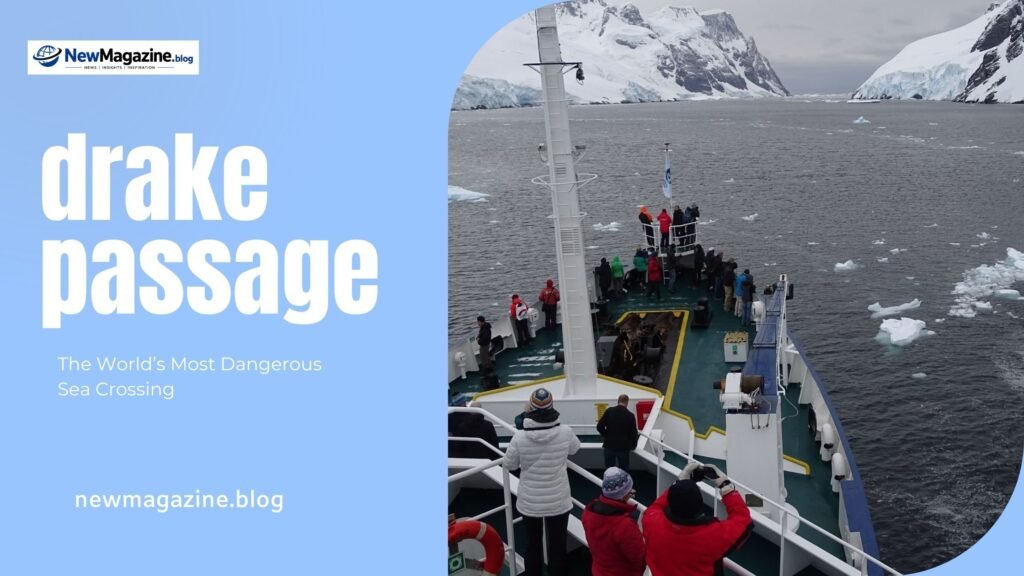

Dangerous Sea Crossing Explained
The Drake Passage is one of the most legendary and feared stretches of water on Earth. Located between the southern tip of South America and Antarctica this body of water has fascinated explorers scientists and adventurers for centuries. Known for its violent waves unpredictable weather and powerful ocean currents the drake passage has become a symbol of both danger and discovery.
For travelers heading to Antarctica crossing the Drake Passage is often considered a rite of passage. Some describe it as thrilling while others call it terrifying. Whether you are curious about its history geography or travel experience understanding this famous waterway reveals why it remains one of the most talked about sea crossings in the world.
What Is the Drake Passage
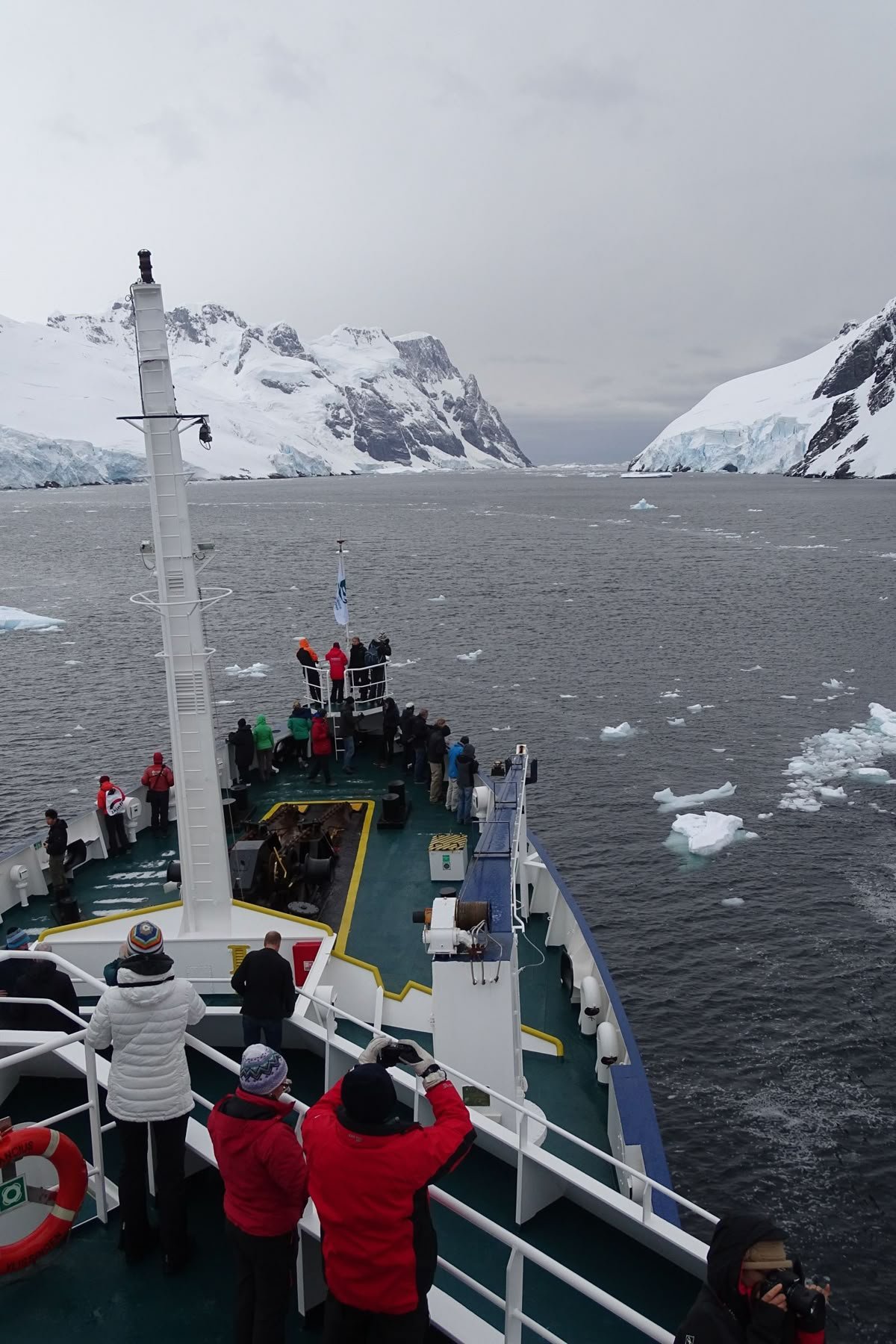
The Drake Passage is a body of water connecting the Atlantic Ocean and the Pacific Ocean. It lies between Cape Horn in Chile and the South Shetland Islands near Antarctica. Stretching roughly 800 kilometers wide it is the shortest crossing to Antarctica from South America.
This waterway is famous because there is no major landmass blocking the ocean currents. As a result massive waves and strong winds can move freely around the globe. This creates some of the roughest sea conditions on the planet making the Drake Passage both unique and challenging.
Where Is the Drake Passage Located
Geographically Drake Passage sits at the southernmost tip of the Americas. It separates Argentina and Chile from Antarctica. It acts as a natural boundary between the Atlantic and Pacific oceans.
Its strategic location has made it historically significant for maritime travel. Before the opening of the Panama Canal ships often used routes around South America with many encountering the dangerous conditions of the Drake Passage. Today it remains one of the busiest routes for Antarctic expeditions.
Why Is the Drake Passage So Dangerous
One of the main reasons of Drake Passage is dangerous is the lack of land barriers. Unlike other oceans where islands or continents can break the force of currents this passage allows water to flow freely and powerfully. This unrestricted movement creates enormous waves that can reach over 40 feet.
Strong winds icy temperatures and sudden storms add to the danger. The combination of cold Antarctic air and warmer northern currents makes weather conditions highly unstable. Even modern ships can experience intense shaking and rolling while crossing.
The History Behind the Drake Passage

The passage is named after Sir Francis Drake the famous English explorer. In 1578 Drakes fleet was pushed south of the Strait of Magellan by a violent storm revealing the open waters connecting the Atlantic and Pacific.
This discovery changed maritime navigation forever. It proved that Tierra del Fuego was not part of a southern continent as many believed at the time. The drake passage soon became an important route for explorers and traders.
The Role of the Drake Passage in Antarctic Travel
For most tourists visiting Antarctica the Drake Passage is unavoidable. Cruises departing from Ushuaia often called the southernmost city in the world must cross it to reach the Antarctic Peninsula.
The crossing usually takes around 48 hours each way. Travelers often hear terms like Drake Shake for rough seas and Drake Lake for calmer conditions. This journey is considered part of the Antarctic adventure itself adding excitement and unpredictability.
What Does It Feel Like Crossing the Drake Passage

Crossing the Drake Passage can be a very intense experience. Passengers often feel the ship rocking heavily from side to side. Walking can become difficult and seasickness is common especially for first time travelers.
Despite the rough conditions many passengers find the journey unforgettable. Watching giant waves crash against the ship while seabirds fly overhead creates a dramatic and beautiful experience. For some surviving the Drake Passage becomes a personal achievement.
Wildlife Found Around the Drake Passage
The Drake Passage is rich in marine wildlife due to its nutrient-filled waters. Travelers often spot whales dolphins seals and various seabirds during the crossing. Species like albatrosses are particularly common because they thrive in windy conditions.
The surrounding ecosystem plays an important role in the Antarctic food chain. Krill small shrimp like creatures are abundant here and serve as food for whales penguins and seals. This makes the drake passage a crucial ecological zone.
How Weather Affects the Drake Passage
Weather in the Drake Passage changes rapidly. One moment the sea may be calm and within hours massive waves can appear. Wind speeds can exceed 100 kilometers per hour making navigation difficult even for experienced crews.
The best travel months are during the Antarctic summer from November to March. During this period temperatures are slightly warmer and sea ice is less of a concern. However rough weather can still happen at any time which keeps travelers alert.
The Difference Between Drake Shake and Drake Lake
Travelers often hear two terms before their voyage Drake Shake and Drake Lake. Drake Shake refers to the passage when the sea is rough with high waves and strong winds. This is the experience most people expect and fear.
Drake Lake on the other hand happens when the sea is unusually calm. This rare condition allows for a smoother crossing with minimal rocking. While less dramatic it gives travelers a more comfortable journey and better opportunities to enjoy the scenery.
Can You Avoid the Drake Passage
For travelers who fear rough seas there are ways to avoid crossing the Drake Passage. Some luxury Antarctic tours offer flights from South America directly to Antarctica bypassing the dangerous waters entirely.
These options are usually more expensive but can save time and reduce the risk of seasickness. However many seasoned travelers believe crossing the drake passage is an essential part of the Antarctic experience and should not be skipped.
Scientific Importance of the Drake Passage
Scientists study the Drake Passage because it plays a major role in global ocean circulation. The Antarctic Circumpolar Current the strongest ocean current on Earth flows through this passage and influences climate worldwide.
Research in this area helps experts understand climate change ocean temperatures and marine ecosystems. The drake passage acts like a gateway for cold water movement making it one of the most important regions for oceanographic studies.
Tips for Surviving the Drake Passage
If you plan to cross the Drake Passage preparation is important. Motion sickness medication is highly recommended even for experienced travelers. Choosing a cabin in the middle of the ship can help reduce motion.
It is also wise to stay hydrated eat light meals and keep your eyes on the horizon if you feel seasick. Listening to the crew and following safety instructions can make the journey safer and more comfortable.
Is the Drake Passage Worth It
Many travelers wonder if enduring the drake passage is worth the discomfort. For most people the answer is yes. The journey offers a sense of adventure that few experiences in the world can match.
Reaching Antarctica after surviving one of the roughest seas on Earth creates a deep sense of accomplishment. The passage becomes part of the story making the destination even more meaningful.
Stay Connect With Us: newmagazine.blog
Conclusion
The Drake Passage is far more than just a stretch of water between South America and Antarctica. It is a place of history danger science and adventure. Its unpredictable weather and massive waves have made it legendary among sailors and travelers alike. Whether you see it as terrifying or thrilling the drake passage remains one of the most remarkable natural crossings on the planet. For anyone dreaming of Antarctica understanding this passage is essential because it is the gateway to the last great wilderness on Earth.
Do Not Miss Our Latest Blogs.
FAQs
Why is the Drake Passage so famous?
The Drake Passage is famous for being one of the roughest sea crossings in the world. Its powerful currents and violent storms make it legendary among travelers and sailors.
How long does it take to cross the Drake Passage?
Most ships take about two days to cross the Drake Passage, depending on weather conditions and the vessel’s speed.
Is the Drake Passage always rough?
No, conditions vary. Sometimes travelers experience the Drake Lake, where waters are calm, but rough conditions are much more common.
Can you fly instead of crossing the Drake Passage?
Yes, some Antarctic tours offer flights to avoid the crossing, but these trips are often more expensive.
What animals can you see in the Drake Passage?
Travelers often see whales, dolphins, seals, albatrosses, and other seabirds during the journey.
Is the Drake Passage dangerous for cruise ships?
Modern expedition ships are built to handle rough seas, but the journey can still be physically challenging for passengers.
What is the best time to cross the Drake Passage?
The best time is during the Antarctic summer from November to March, when conditions are relatively milder.